
Discovering the Rich Heritage of Mahjong and Its Rise in Popularity
Introduction to Mahjong
Mahjong is not merely a game; it is a cultural phenomenon with deep historical roots. Emerging from China, this tile-based game has transcended its regional origins, captivating players from around the globe with its complex strategies and social interactions.
The Origins of Mahjong
The precise origins of Mahjong are somewhat shrouded in mystery, with numerous legends and historical accounts offering varying insights. Most agree that the game took form during the Qing dynasty, with its modern set of rules and format evolving over the years.
It is believed that Mahjong was inspired by earlier card games and was popular among the aristocracy and military officers. The game quickly spread across China and then beyond its borders, gaining a foothold in Western cultures in the early 20th century.
Mahjong Sets and Tiles
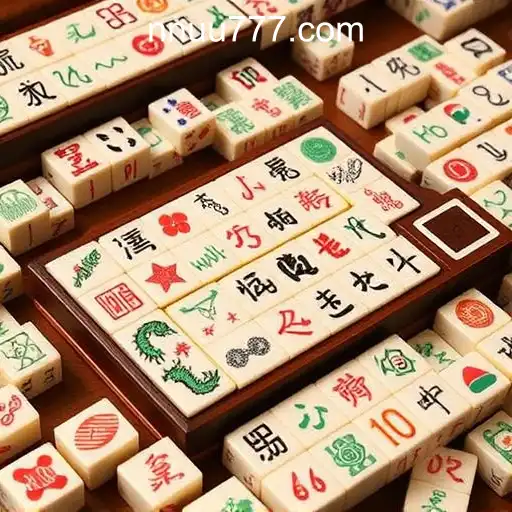
A traditional Mahjong set consists of 144 tiles, although variants can include additional tiles. These tiles are categorized into suits and honor tiles. Each tile features symbols that are rich in meaning and artistry, often featuring imagery such as dragons, winds, and flowers.
The intricacy of the tiles and their designs play a significant cultural role, adding to the immersive experience of the game. This complexity is one of the intriguing aspects that has helped Mahjong maintain its popularity over the centuries.
Gameplay and Rules
Playing Mahjong requires four players and a strategic understanding of various possible tile combinations. The objective is to draw and discard tiles to form specific sets and gain points. Various styles of gameplay exist, including the traditional Chinese version and Japanese and American variants.
Despite the complexity and variations of the rules, the core goal remains the same: to be the first player to complete a legal winning hand. Mastering Mahjong involves both skill and luck, making it an intellectually stimulating and unpredictable game.
Mahjong's Growth and Modern Influence
In the early 20th century, Mahjong began making its way to Western countries, undergoing numerous adaptations along the way. In America, for instance, it was branded as the latest craze in leisure games, gaining popularity rapidly across social clubs and households.
Technological Advancements and Online Platforms
The digital era has introduced new ways to enjoy Mahjong. Online platforms have emerged, allowing players to compete with others globally. These platforms leverage technology to enhance gameplay, offering features like tutorials and strategy guides for newcomers and veterans alike.
The rise of mobile applications and websites dedicated to Mahjong has further boosted its popularity, providing accessibility and convenience to a new generation of players.
Mahjong in Popular Culture
Over the years, Mahjong has woven itself into various aspects of popular culture. It frequently appears in films, literature, and even in art, symbolizing not only a pastime but a connection to cultural heritage.
In regions like Brazil, platforms such as NNU777 Oficial Slots Brasil #1 have recognized the game's potential to broaden their entertainment offerings, appealing to audiences with diverse interests and gaming preferences.
Conclusion
Mahjong is more than a game; it is a testament to cultural exchange and adaptation. Whether played in traditional settings or through modern digital platforms, its allure remains undiminished. As it continues to evolve, Mahjong stands as an enduring symbol of strategy, competition, and cultural heritage across the world.